+86-15093222637
Contact us for a quote and free process design
Baichy know what you are expecting from mining project and we are making it happen with unrivalled products and services.
Leave Message


The industrial Bucket Elevator is a continuous conveying device widely used for the vertical transport of bulk materials. It lifts materials from a lower level to a higher one using a series of buckets attached to a traction component (either a belt or a chain).
☛ Contact Us Now To Get A Customized Production Line Configuration Plan.
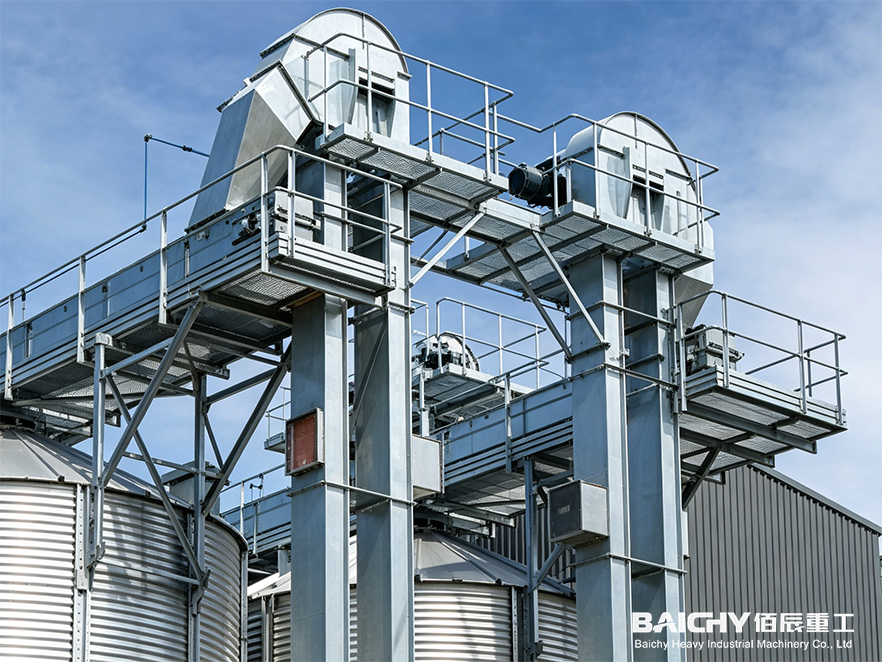
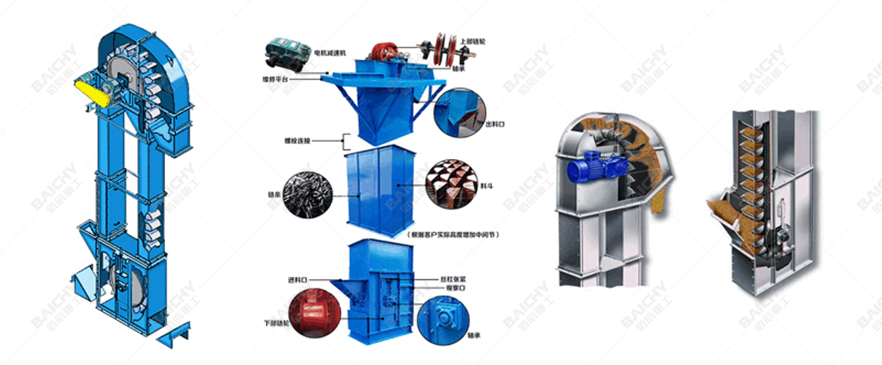
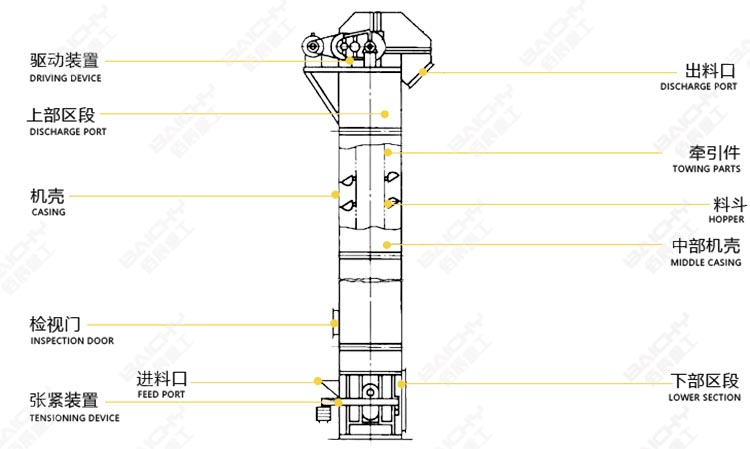
• Running Components: Consist of the buckets and the traction component (rubber belt, round link chain, or plate chain).
• Drive Unit: Includes the electric motor, speed reducer, backstop (to prevent material backflow during power outages), etc.
• Upper Section: Features the drive pulley (or sprocket), discharge outlet, and anti-backflow mechanisms.
• Intermediate Casing: Provides structural support and sealing, preventing dust leakage.
• Lower Section: Contains the tensioning device (to maintain tension in the traction component) and the feed inlet.
• High Conveying Capacity: Capable of handling a wide variety of materials, ranging from fine powders to large lumps.
• Small Footprint: Features a vertical layout, significantly saving floor space within the facility.
• Excellent Sealing: Fully enclosed casing minimizes environmental pollution.
• High Lifting Height: Advanced models can achieve lifting heights of 40–60 meters or even higher.
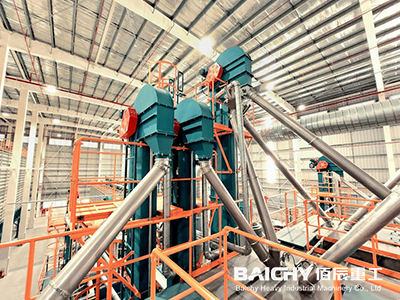
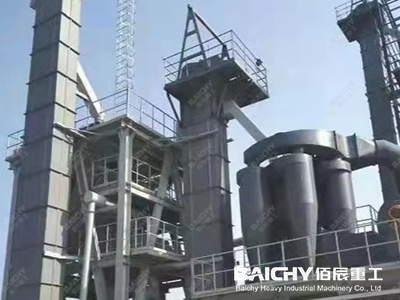
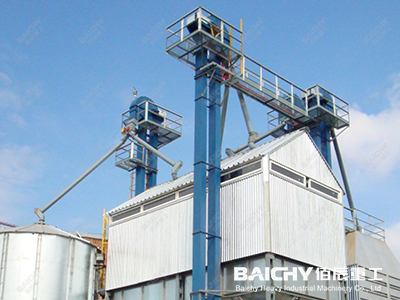
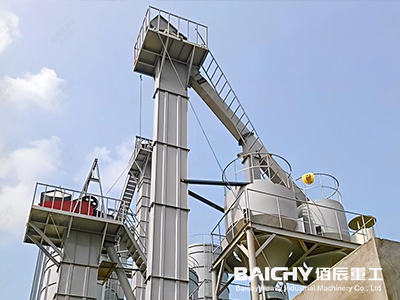
Based on the type of traction component and the discharge method, common types include:
• TD Type (Belt Type): Utilizes a rubber belt; suitable for bulk materials with low to moderate abrasiveness (e.g., pulverized coal).
• TH Type (Round Link Chain Type): Employs a high-strength round link chain with excellent wear resistance; suitable for conveying high-temperature or highly abrasive materials (e.g., ores, clinker).
• NE Type (Plate Chain Type): Utilizes a bushing roller chain; offers high lifting heights, strong load-bearing capacity, and smooth operation.
• Centrifugal Discharge: Discharges material by throwing it outward using centrifugal force generated by high-speed operation; suitable for dry, free-flowing powdery or small-granular materials.
• Gravity Discharge: Discharges material relying on the force of gravity; suitable for lumpy, heavy, or fragile materials. Hybrid: Somewhere between the two.
Capable of handling a wide variety of materials, ranging from fine powders to large lumps.
Features a vertical layout that significantly conserves plant floor space.
Equipped with a fully enclosed casing to minimize environmental pollution.
Advanced models can achieve lifting heights of 40 to 60 meters—or even higher.
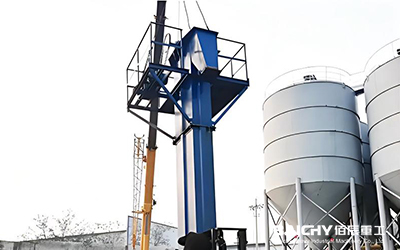
1. Loading: Material enters the lower base unit through the feed inlet. Depending on the characteristics of the material, the loading process can be classified into two types: "scooping" (where the buckets directly scoop material from the accumulation within the base) and "inflow" (where material flows directly into the buckets).
2. Lifting: The drive mechanism rotates the drum or sprocket, causing the traction component to lift the material-filled buckets vertically upward along the casing.
3. Discharging: As the buckets reach the top and invert, the material is discharged through the outlet under the influence of centrifugal force or gravity.

| Model | TH160 | TH250 | TH315 | TH400 | TH500 |
|---|---|---|---|---|---|
| Bucket Width(mm) | 160 | 250 | 315 | 400 | 500 |
| Bucket Distance(mm) | 300 | 420 | 500 | 560 | 625 |
| Speed(m/s) | 1.4 | 1.6 | 1.6 | 1.8 | 1.8 |
| Max Granule size(mm) | 25 | 35 | 45 | 55 | 60 |
| High Degree of Appearance(m) | H+0.9 | H+1.2 | H+1.2 | H+1.5 | H+1.5 |
| Conveying Capacity(m³/h) | 15-30 | 31-48 | 35-60 | 60-94 | 75-118 |
If you need further information,please fill in your questions and comments in the form below.
Representatives from Baichy machinery will be back to you within the hour,thanking you for your support to Baichy machinery